
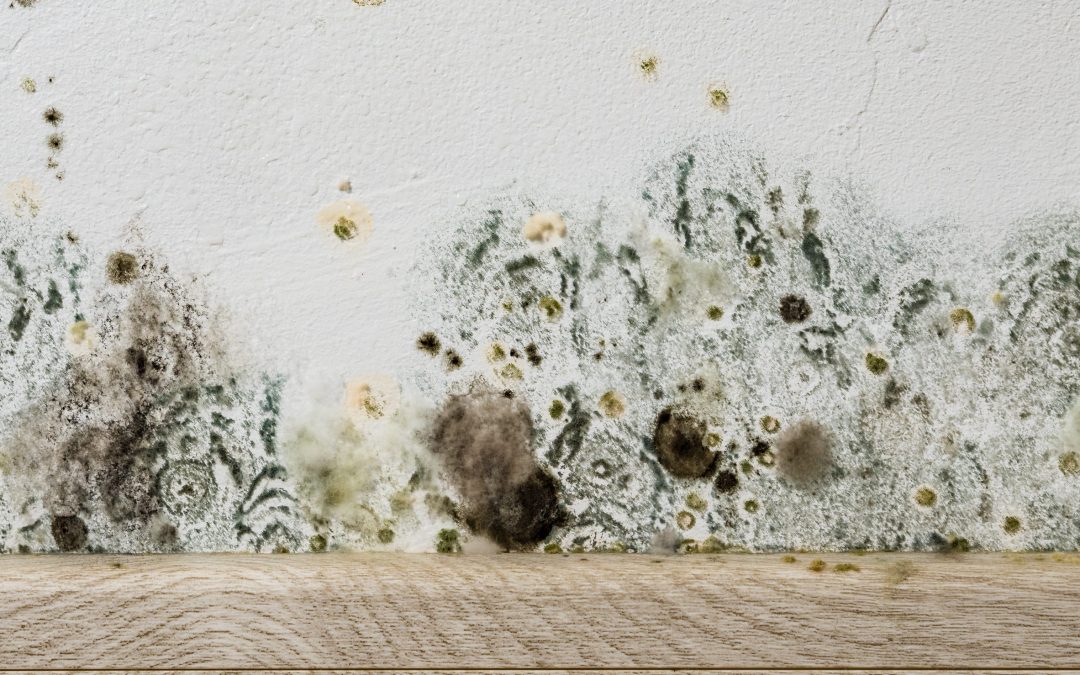
Orlando’s heat, humidity, and year-round HVAC use create a perfect setup for “quiet” moisture problems—think AC drain line clogs, attic condensation, or a slow plumbing leak behind drywall.
When mold shows up, the safest path is usually the one that controls moisture, prevents spread, and documents the work clearly.
If you’re weighing mold remediation options or comparing companies for mold restoration Orlando FL projects, this guide breaks down what professionals actually do, and how to tell quality work from shortcuts.
What “Safe Mold Removal” Really Means
In professional mold work, the goal is to:
- Stop the moisture source (otherwise it returns)
- Prevent spores and fragments from spreading to clean areas
- Remove or clean affected materials correctly (based on material type and contamination level)
- Dry the structure thoroughly and verify conditions that reduce recurrence
The EPA’s core message is straightforward: moisture control is the key, and wet materials should be dried promptly (often within 24–48 hours) to reduce the chance of growth.
If the mold followed a leak or flood, review this internal guide on why acting fast after water damage helps prevent mold growth before you choose a remediation plan.
The Professional Step-By-Step Process
1) Investigation: find the real source, not just the visible spot
A quality team starts by asking: Why is this growing here? Common causes include:
- AC drain line backups and overflowing condensate pans
- Bathroom/kitchen exhaust that doesn’t vent properly
- Roof leaks that are far from the entry point
- Plumbing pinhole leaks behind cabinetry or walls
2) Work-area containment
Containment is where “safe” becomes measurable. Many reputable providers use:
- Physical barriers (poly sheeting)
- Controlled airflow (negative pressure) to keep particles from escaping
- Decontamination practices for materials leaving the work zone
EPA training materials emphasize sealing contaminated materials in bags and covering large items before removing them from the containment area to minimize spread.
3) Air filtration (HEPA) during disturbance
Once you disturb growth, even just pulling baseboards, particles can become airborne. HEPA-filtered air scrubbers help reduce airborne debris during work.
4) Removal vs. cleaning (depends on the material)
This is where pros earn their keep:
- Porous materials (like drywall, insulation, and some ceiling tiles) often need removal if affected.
- Semi-porous or non-porous materials (like some framing, tile, and concrete) may be cleanable with the right method.
EPA guidance notes that some absorbent materials may need to be discarded if moldy, since they can be difficult to clean completely.
5) Safety equipment (PPE) that matches the job
A professional crew should use appropriate PPE based on the scope and risk. CDC guidance for mold cleanup commonly recommends protection like an N95 respirator, eye protection, and gloves, especially when cleanup is more than a quick wipe-down.
6) Drying + verification
If the moisture stays, the story repeats. The best vendors will:
- Dry affected cavities/assemblies
- Track humidity and moisture readings
- Document when conditions stabilize
7) Post-work verification and documentation
For homeowners, “verification” may be a walkthrough + photos + notes.
For B2B, it often means:
- Photos before/during/after
- Equipment logs (what ran, where, how long)
- A brief completion report
- Optional third-party clearance testing, depending on policy/risk tolerance
When It’s Time to Call a Professional (And Not DIY It)
Small spots on a non-porous surface can sometimes be cleaned safely by the homeowner if the underlying moisture issue is fixed, but larger, recurring, or hidden problems are a different category.
You should strongly consider professional help when:
- You smell a persistent musty odor, but can’t see the source
- There was a leak, and the building materials stayed wet
- The growth is in HVAC systems, wall cavities, or under flooring
- Occupants have health sensitivities (asthma, immunocompromise)
In those situations, professional mold remediation is often the safer, more predictable route because it combines containment, controlled removal, and verification, not just surface cleaning.
Searching For Mold Remediation In Orlando? Use This Vendor Scorecard
When people search mold remediation near me, they’re usually trying to solve a time-sensitive moisture problem, so the vendor you choose needs a real containment + drying plan. Use this quick checklist to select the right vendor.
Ask these questions on the first call
- What’s your containment plan? (barriers + negative pressure + filtration)
- How do you determine what gets removed vs. cleaned?
- How do you prove it’s dry and stable? (readings, documentation)
- What standard do you align with? (Look for awareness of IICRC S520 principles and safety precautions.)
- What does the final documentation include? (photos, logs, summary)
Red flags
- “We’ll just fog it, and you’re good.” (Fogging isn’t a substitute for removing affected materials and controlling moisture.)
- No mention of containment or filtration.
- Suggesting you “paint over it” without addressing damaged materials (CDC/NIOSH notes inappropriate approaches like painting over damaged or moldy materials can cause more problems).
If your Google search is literally mold remediation near me, this scorecard helps you pick a team that’s thinking about safety, building science, and proof, not just speed.
Realistic Scenarios
These are illustrative examples to make the process concrete:
Example A: Apartment AC drain line overflow (hidden wall moisture)
- What happens: Water runs behind baseboards and wicks into drywall.
- Pro approach: moisture mapping → controlled removal of affected drywall → cavity drying → HEPA filtration → documentation.
- Why it matters: Drying promptly reduces risk; EPA emphasizes drying water-damaged materials quickly to prevent growth.
Example B: Hotel bathroom ventilation problem (repeat issue)
- What happens: Steam + poor exhaust creates chronic condensation.
- Pro approach: fix ventilation/controls → clean/replace impacted materials → set humidity targets → maintenance plan for staff.
Best-Fit Target = Property Managers + Facility Managers (Multifamily, Hospitality, Mixed-Use)
For Orlando B2B buyers, the “win” is continuity and documentation.
What B2B clients should require in the scope
- After-hours access plan (keys, escort rules, quiet hours if needed)
- Tenant/guest communication template (what to expect, where access is restricted)
- Containment drawings or notes (especially for multi-tenant properties)
- Daily updates (what changed today, what happens tomorrow)
- Closeout package (photos, moisture/humidity notes, completion summary)
When you’re coordinating mold restoration work in Orlando, FL, across multiple units or operating spaces, this documentation keeps stakeholders aligned (including ownership, tenants, insurers, and internal maintenance).
Next Step
If you suspect a hidden moisture issue or need an expert plan for a residential or commercial building, call 321 Restore It at (614) 900-3429. They state they serve Orlando and the surrounding areas.